Key Takeaways
Bale beds for trucks are revolutionizing agricultural hauling by improving weight distribution, enhancing load stability, and increasing safety for heavy loads.
The low-profile design of these beds allows for easier loading and unloading, which reduces strain on trucks while significantly prolonging their lifespan.
Bale beds that include hydraulic systems and adjustable arms outperform traditional options, leading to reductions in loading times of up to 30%.
Selecting the right bale bed requires an understanding of truck size, weight capacity, and specific operational needs to ensure compatibility and optimize productivity.
Modifications like LED lighting, side extensions, and ramps can markedly enhance the performance and safety of bale beds during use.
Not just for farming, these beds have applications in landscaping and construction, successfully transporting various oversized loads.
To ensure continued effectiveness, regular maintenance such as inspections and lubrication is essential for the longevity of bale beds.
Maximizing Load Capacity with Bale Beds
Why Bale Beds Are Big Deals for Heavy Loads
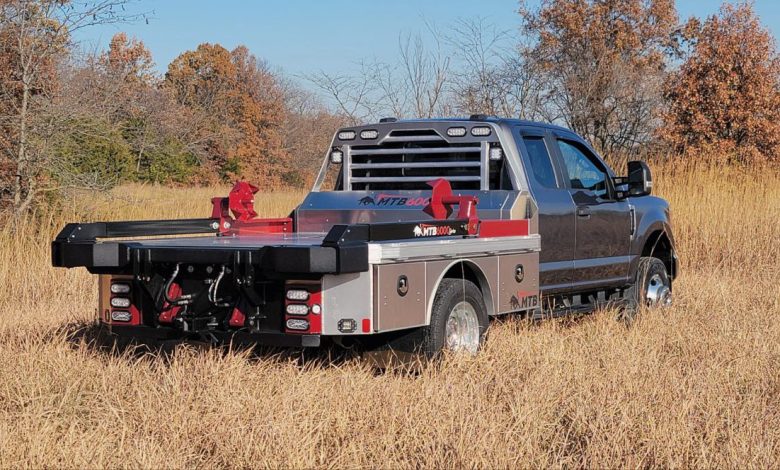
In agricultural hauling, bale beds for trucks have set a new benchmark for efficiency and capability. These are not mere accessories; they’re indispensable for anyone managing heavy loads. Transporting bales without the proper equipment is a challenge that many farmers know too well. Thankfully, modern bale beds streamline this process, eliminating chaos and confusion. The reason is simple: improved weight distribution enhances load stability and increases overall safety.
What differentiates bale beds from traditional flatbeds? Well, it starts with the design. The low-profile structure allows for an effortless loading and unloading process. Trucks with these beds are subjected to less strain, which reduces wear and prolongs their lifespan considerably. Is this investment worthwhile? Definitely, especially for those working with large hay or straw quantities.
Key Features That Enhance Efficiency
To grasp how bale beds amplify efficiency, examining their key features is vital. From adjustable arms to hydraulic capabilities, these components offer much more than superficial enhancements. They contribute to a performance level that traditional beds simply can’t rival.
- Hydraulic Systems: These systems facilitate a smoother loading experience, enabling operators to lift and lower bales with great precision.
- Versatile Designs: Many models accommodate different bale sizes, meeting the specific needs of farmers.
- Enhanced Durability: Constructed from heavy-duty steel or aluminum, these beds excel under the daily wear and tear without sacrificing function.
When all these features come together, they not only improve user experience but also transform how operations manage heavy loads. Operations outfitted with this equipment often report a remarkable 30% decrease in loading times—now that’s efficiency redefined.
Customizing Bale Beds for Different Truck Models
Selecting the Right Bale Bed for Your Vehicle
Finding the right bale bed requires more than choosing a standard design. Each truck model has unique specifications, making compatibility essential for improving productivity and ensuring safe operation. When evaluating bale beds for trucks, professionals should carefully review the vehicle’s specifications and consider the types of bales they plan to transport.
What factors should you include on your checklist when selecting a bale bed? Here are three key considerations:
- Truck Size: Choose a bale bed that fits the truck’s frame properly. An incorrectly sized bed can reduce efficiency and affect vehicle performance.
- Weight Capacity: Check the truck’s payload rating and ensure the bale bed’s capacity aligns with the vehicle’s load limits.
- Operational Needs: Consider how frequently the bed will be used and the working conditions it must withstand. A customized design can improve functionality and overall performance.
Selecting a bale bed that matches your truck’s requirements can help streamline daily operations and maximize productivity. By prioritizing compatibility, load capacity, and practical features, operators can make informed decisions that support reliable performance in real-world working environments.
Top Modifications for Enhanced Performance
After selecting the appropriate bed, modifications can elevate productivity to unprecedented levels. While it may seem like overkill, small adjustments can yield significant gains. Here are some recommended modifications:
- LED Lighting: Adding lighting can boost visibility in low-light conditions, greatly increasing safety during loading and unloading.
- Side Extensions: These are essential for transporting oversized loads, preventing bales from shifting and ensuring secured transport.
- Ramps: Including ramps streamlines loading processes, particularly for larger bales that may require extra hands.
With the right enhancements, even a basic bale bed can transform into a robust tool capable of meeting tough demands. Adaptation is key.
Real-World Applications of Bale Beds in Agriculture
Success Stories: Farmers Who Transformed Their Operations
Think about the farmers who have integrated bale beds into their operations. Many report a tangible boost in efficiency post-upgrade. For instance, a rancher in Texas found that switching to a hydraulic bale bed slashed their loading time nearly in half while increasing the number of bales transported at once.
A 30% reduction in loading time can immensely elevate overall productivity, a sentiment echoed by numerous farmers.
Another operator highlighted improvements in safety, citing reduced manual handling as a factor that minimized injury risks. This brings to light an important takeaway: productivity encompasses not just speed but safety and sustainability as well.
Innovative Uses Beyond Traditional Farming
Bale beds transcend mere agricultural use. Their applications vary widely across industries. For instance, landscaping companies have started utilizing these beds to carry large sod rolls efficiently. Why? Because they offer an effective solution for handling non-standard loads. Furthermore, construction teams have also reaped the benefits—transporting materials is much simpler with this equipment.
This versatility significantly widens the scope of application, expanding their usefulness across various sectors.
Maintenance Tips for Longevity and Performance
Essential Upkeep Practices for Optimal Function
Investment in equipment warrants continuous care. Routine maintenance practices are essential for ensuring that bale beds function optimally. What maintenance tasks should professionals prioritize? Here’s a condensed guide:
- Regular Inspections: Frequent checks on hydraulic systems, bolts, and the frame can help in nipping minor problems in the bud.
- Lubrication: Keeping moving parts well-lubricated promotes smooth operations and prevents premature wear.
- Cleaning: A good wash can prevent debris buildup, which might lead to performance issues—keeping the equipment clean helps maintain efficiency.
Implementing these regular maintenance practices doesn’t just extend a bale bed’s lifespan; it can also enhance efficiency across all operations.
Signs Your Bale Bed Needs Attention
Experienced operators often develop an instinct for their equipment. They can identify subtle changes before they evolve into larger issues. So, what signs indicate that a bale bed requires attention? Here are a few common red flags:
- Strange Sounds: Unusual noises during operation may indicate a problem within the hydraulic system.
- Uneven Load Distribution: If bales are shifting more than usual, it might signal structural fatigue or misalignment.
- Hydraulic Leaks: A loss of fluid is a clear sign that immediate attention is necessary—this should never be ignored.
Addressing these warning signs quickly can significantly enhance both operational safety and efficiency, extending the overall return on investment for any farming endeavor.
FAQ
What types of materials can be transported using bale beds?
Bale beds are designed to be versatile. They don’t just transport bales; they effectively carry materials like sod rolls, construction supplies, and even large equipment. This adaptability makes them crucial in various industries.
How can operators ensure safety when using bale beds?
It’s vital to prioritize safety measures. Operators should utilize proper loading techniques, maintain adequate visibility with lights, and conduct regular hydraulic system inspections. Creating a safe loading and unloading environment is the ultimate goal.
Can bale beds be used in extreme weather conditions?
Absolutely, bale beds can work well in various weather conditions. Their sturdy materials withstand rain and snow. However, operators must exercise caution during extreme conditions, as slippery surfaces can introduce safety risks.
Are there any training resources for new users of bale beds?
Indeed, numerous manufacturers offer training resources ranging from user manuals to instructional videos. Additionally, local agricultural cooperatives frequently conduct hands-on training sessions. Engaging with these resources can greatly improve operational efficiency.
How do modifications impact the resale value of bale beds?
High-quality modifications can indeed boost the resale value of bale beds. Features such as hydraulic systems or customized lighting enhance a bed’s appeal to potential buyers. This represents a win-win for those contemplating upgrades later on.
What is the average lifespan of a well-maintained bale bed?
A well-maintained bale bed often lasts many years, frequently surpassing a decade. Consistent inspections and upkeep are essential to achieving such longevity, keeping the equipment functional and efficient throughout its life.
Can modifications be installed on existing bale beds?
Certainly. Many modifications can be added to existing models, improving their functionality. Professionals should be consulted to evaluate compatibility and discuss the most effective upgrades based on specific needs.
What factors influence the cost of bale beds?
Several elements determine the cost of bale beds, including the materials used, size, and any additional features like hydraulic assistance. Exploring different options helps buyers identify the best value that aligns with their operational budget.
Useful Resources
- eXtension: Cooperative Extension System
- Farm Journal: Agriculture News and Resources
- USDA National Agricultural Statistics Service
- Farm Progress: Agricultural Publications and News
- Center for Rural Strategies
- Agri-Pulse Communications, Inc.
- National Academies of Sciences, Engineering, and Medicine
- NC State University – College of Agriculture and Life Sciences
- Purdue University Cooperative Extension Service