Introduction
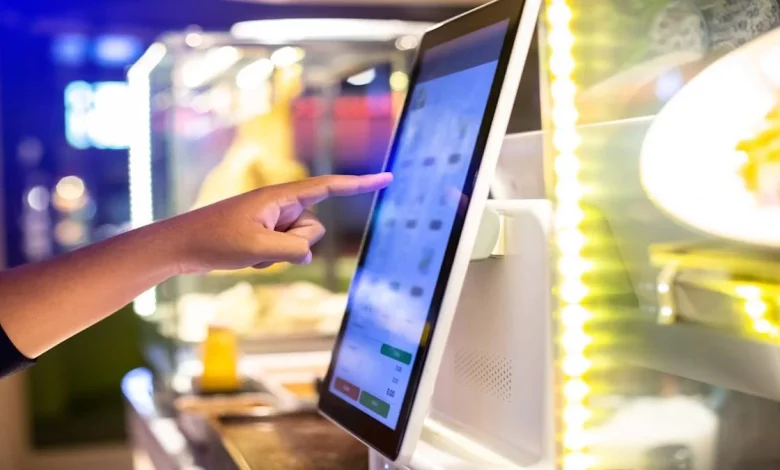
Speed and convenience have become increasingly important parts of the modern retail experience. Customers are accustomed to digital services that let them search, order, pay, and access information quickly, and many now expect similar flexibility when visiting physical stores. Retailers are responding by introducing self-service technologies that give customers more control over routine interactions while helping stores manage demand more efficiently. Well-designed digital kiosks can provide customers with convenient access to information and services while creating additional ways to complete their shopping journey. When integrated thoughtfully into the retail environment, self-service technology can reduce unnecessary waiting, support employees, and create a faster experience without removing the option of personal customer service.
Convenience Is Changing Retail Expectations
Convenience has become a key factor in how customers evaluate retail experiences. Consumers regularly use mobile apps, websites, digital payments, and online ordering services that let them complete tasks quickly and independently. When customers enter physical retail environments, they increasingly expect the same simplicity. Long waits for straightforward information or routine services can feel unnecessary when technology could provide a faster alternative. Self-service systems help retailers respond to these expectations by giving customers another way to interact with the business. Rather than depending entirely on traditional service points, shoppers can choose the journey that best suits their immediate needs.
Giving Customers Greater Control
Different customers prefer different ways of shopping. Some value personal interaction and want employee assistance, while others prefer to browse, research, or complete routine tasks independently. Self-service technology gives shoppers greater control over this choice. Customers can access relevant information or services at their own pace without feeling pressured to interact with an employee when they don’t need assistance. This flexibility can make the retail environment feel more convenient while preserving traditional service for customers who prefer it. Offering multiple options lets retailers accommodate a broader range of customer preferences instead of expecting every shopper to follow the same journey.
Helping Reduce Waiting Times
Waiting is one of the most common sources of friction within customer-facing environments. During busy periods, employees may help several people at once, creating queues or delays for customers who only need a simple service. Self-service systems can help distribute these interactions across additional customer touchpoints. Shoppers comfortable completing a task independently can do so without waiting for a staff member, while employees remain available for customers who need personal assistance. This approach can help reduce pressure on traditional service points and create a more balanced flow of customers throughout the store.
Making Product Information Easier to Access
Customers often require additional information before making purchasing decisions. They may want to compare products, understand specifications, explore different options, or check whether an alternative is available. Traditionally, shoppers may need to find an employee or rely on limited information displayed near the product. Digital self-service systems can provide another source of information directly within the retail environment. Customers can explore relevant details independently and make more informed decisions without unnecessary delays. Easy access to information can be particularly useful in retail environments with complex products or large ranges where it is difficult to display every detail physically.
Supporting Faster Product Discovery
Large product ranges can make shopping more complicated, particularly when customers are unsure exactly what they need. Self-service interfaces can simplify product discovery by allowing shoppers to browse categories, compare options, or follow guided journeys based on their needs. This can help customers narrow their choices more efficiently and discover products they might otherwise overlook. Digital product discovery can also extend beyond the inventory immediately visible in the store, giving retailers opportunities to present a wider range of options without requiring additional physical display space. By making exploration easier, retailers can create a more convenient and informative shopping journey.
Improving Ordering Experiences
In some retail environments, customers may want to place an order rather than simply purchase an item directly from a shelf. Self-service technology can offer a convenient way to browse options, customise selections, and submit orders without relying entirely on a staffed service point. This can be particularly valuable during busy periods when demand is high. A clear digital ordering journey can guide customers through options in a structured way, reducing confusion and making the process easier to complete. When properly designed, self-service ordering can complement traditional service while giving customers greater flexibility.
Supporting More Efficient Store Teams
Retail employees often balance numerous responsibilities throughout the day. They may answer routine questions, offer product advice, manage service points, assist with transactions, and respond to more complex customer needs. Self-service technology can help redistribute some of this workload by allowing customers to complete straightforward interactions independently. Employees can then focus on situations where human knowledge and personal assistance matter most. This can improve staff utilisation without reducing the importance of customer service. Instead, technology and employees can work together to create a more efficient retail environment overall.
Managing Busy Trading Periods
Customer demand is rarely consistent throughout the day or year. Weekends, promotional events, seasonal periods, product launches, and other busy trading times can create sudden increases in customer traffic. Retailers need systems that can support these changes without letting service quality decline significantly. Self-service technology provides additional customer touchpoints that can help stores manage higher volumes of routine interactions. Customers gain more ways to access services while employees can focus on areas requiring direct support. This flexibility can help retailers maintain smoother customer journeys even when stores operate under increased pressure.
Connecting Physical and Digital Convenience
Consumers increasingly move between online and physical retail without viewing them as completely separate experiences. A shopper might research a product online, visit a store to see it, access additional digital information while there, and complete the purchase through another channel. Self-service technology can bring the convenience of online shopping directly into the physical store. Digital interfaces can provide structured navigation, detailed information, and interactive functionality while customers remain within the retail environment. This connection can help retailers create more consistent cross-channel experiences and support customers who naturally blend digital and in-store shopping.
Creating Intuitive Customer Journeys
Convenience depends on usability. A self-service system that is confusing or difficult to navigate can create more frustration than the problem it was designed to solve. Successful digital experiences need clear navigation, logical steps, readable information, and interfaces that customers can understand quickly. Technology should simplify the journey rather than add unnecessary complexity. Retailers therefore need to consider customer experience design from the beginning, thinking carefully about where self-service is genuinely useful and how customers are likely to interact with it. An intuitive experience can encourage adoption while reducing the need for employees to explain how the system works.
Maintaining Consistency Across Locations
Retailers operating multiple stores often need to provide a consistent customer experience across different locations. Variations in service processes can create confusion, particularly for customers who regularly visit more than one branch. Digital self-service systems can help standardise certain interactions by providing consistent interfaces, information, and customer journeys across a retail network. Once customers become familiar with the experience in one location, they may find it easier to use elsewhere. This consistency can reinforce brand recognition while making services more predictable for both customers and employees.
Supporting Stronger Brand Experiences
Self-service technology should feel like part of the wider retail brand, not a separate digital system placed inside the store. Visual design, language, imagery, navigation, and interaction style all influence how customers perceive the experience. A well-designed interface can reflect the retailer’s wider identity and create continuity between physical stores, websites, applications, and other digital touchpoints. Consistent branding helps make technology feel more familiar and professional while reinforcing the overall customer experience. This becomes increasingly important as digital interactions represent a larger part of the relationship between retailers and their customers.
Adapting Self-Service to Different Retail Sectors
The role of self-service technology can vary considerably by retail environment. Fashion businesses may use interactive systems for product exploration, while electronics retailers may focus on detailed specifications and comparisons. Grocery and food-service environments may prioritise ordering and transaction speed, while hospitality businesses can use self-service experiences for customer check-in or service access. The most effective approach depends on what customers actually need within a particular environment. Retailers should therefore design self-service experiences around specific customer journeys rather than introducing the same functionality everywhere.
Supporting Accessibility and Customer Choice
A convenient retail experience should consider the needs of a broad range of customers. Interface design, readability, navigation, physical placement, and information clarity can all affect whether customers can use self-service technology comfortably. Retailers also need to recognise that not every customer will want to use a digital option. Maintaining access to human assistance alongside self-service provides greater choice and helps businesses serve customers with different preferences and requirements. The objective should be to expand service options rather than force every customer into a single digital journey.
Preparing Retail Operations for Future Change
Customer expectations and retail technologies will continue to develop. Self-service systems that can adapt to changing requirements give retailers greater flexibility as new services, products, and customer journeys emerge. Digital interfaces can potentially be updated more easily than many physical store elements, allowing businesses to introduce new information or functionality without redesigning the entire environment. This adaptability can help retailers respond to changing shopping behaviour while maintaining a familiar customer experience. Flexible technology therefore supports both immediate operational needs and longer-term digital development.
Frequently Asked Questions (FAQs)
Why are digital kiosks becoming more common in retail?
They provide customers with additional ways to access information and services independently, helping retailers offer greater convenience while supporting efficient store operations.
Can self-service technology help reduce queues?
Yes. Allowing customers to complete certain routine interactions independently can reduce pressure on staffed service points and provide alternative routes during busy periods.
Do digital kiosks replace retail employees?
No. They can complement employees by handling straightforward interactions while staff focus on customers who require advice, problem-solving, or personalised assistance.
What types of retailers can use self-service technology?
Self-service systems can be adapted for fashion, grocery, electronics, hospitality, food service, and many other customer-facing retail environments.
What makes a self-service experience convenient?
Clear navigation, intuitive design, useful functionality, accessible information, and integration with the wider customer journey are important elements of an effective self-service experience.
Conclusion
Digital self-service technology is becoming increasingly valuable as retailers respond to customer expectations for faster and more convenient experiences. By providing additional ways to access information, discover products, place orders, and complete routine interactions, retailers can give shoppers greater control while reducing pressure on traditional service points. Self-service can also help employees focus their time on interactions where personal assistance provides the greatest value, creating a more balanced approach to customer service.
The most successful self-service strategies combine technology with thoughtful customer experience design. Retailers should consider usability, accessibility, brand consistency, operational integration, and the ongoing importance of human assistance. By creating intuitive digital experiences that complement existing services, businesses can improve convenience today while developing more flexible retail environments capable of adapting to future customer expe.