Introduction to the Automotive World
The automotive industry is one of the most influential sectors in the global economy. From early mechanical inventions to today’s software-driven vehicles, it has continually evolved to meet changing consumer needs, regulatory demands, and technological possibilities. Modern automobiles are no longer just transportation tools; they are intelligent, connected systems designed for efficiency, safety, and comfort.
A Brief History of Automotive Development
The journey of the automobile reflects human ingenuity and industrial progress.
Early Beginnings
-
The first automobiles relied on internal combustion engines powered by gasoline or diesel
-
Mass production techniques made vehicles accessible to the general public
-
Early designs focused on reliability rather than comfort or safety
Expansion and Globalization
-
Post-war economic growth fueled car ownership worldwide
-
Manufacturers began competing on design, performance, and affordability
-
International supply chains reshaped production and distribution
Modern Automotive Technologies
Today’s vehicles integrate hardware and software in unprecedented ways.
Advanced Driver Assistance Systems (ADAS)
ADAS features enhance safety and reduce driver workload. Common systems include:
-
Adaptive cruise control
-
Lane-keeping assistance
-
Automatic emergency braking
-
Blind-spot monitoring
These technologies serve as stepping stones toward fully autonomous vehicles.
Vehicle Connectivity
Connected cars communicate with drivers, infrastructure, and other vehicles through:
-
Real-time navigation and traffic updates
-
Over-the-air software updates
-
Smartphone integration and voice control
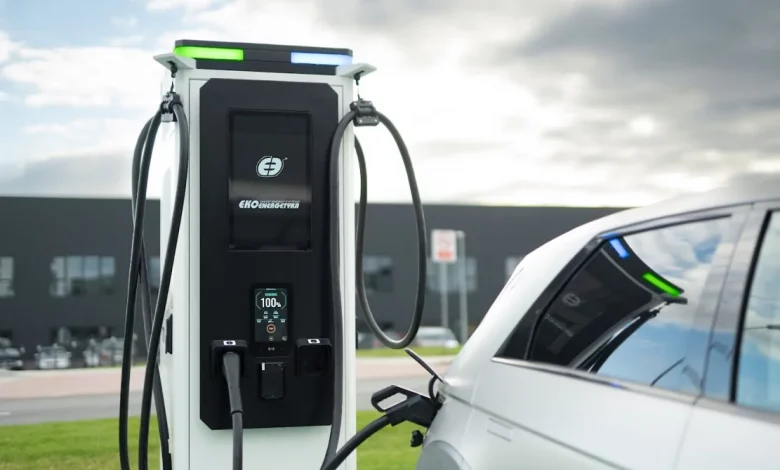
The Rise of Electric and Hybrid Vehicles
Electrification has become a defining trend in the automotive sector.
Why Electric Vehicles Matter
-
Reduced greenhouse gas emissions
-
Lower operating and maintenance costs
-
Improved energy efficiency
Hybrid Solutions
Hybrid vehicles bridge the gap by combining electric motors with combustion engines, offering flexibility where charging infrastructure is still developing.
Sustainability and Environmental Responsibility
Automakers are under growing pressure to reduce environmental impact.
Key sustainability initiatives include:
-
Lightweight materials to improve fuel efficiency
-
Recycling and reuse of vehicle components
-
Cleaner manufacturing processes
-
Transition to renewable energy in production facilities
Sustainability is now a core strategy, not a marketing add-on.
Automotive Manufacturing in the Digital Age
Manufacturing has embraced automation and data-driven decision-making.
Smart Factories
-
Robotics and AI improve precision and speed
-
Predictive maintenance reduces downtime
-
Digital twins simulate production processes before implementation
Supply Chain Resilience
Recent global disruptions highlighted the need for:
-
Diversified suppliers
-
Localized production strategies
-
Better inventory forecasting
The Future of Mobility
The automotive industry is moving beyond traditional car ownership models.
Emerging trends include:
-
Autonomous driving development
-
Shared mobility and subscription services
-
Integration with smart city infrastructure
-
Increased focus on user experience and software ecosystems
Mobility is shifting from ownership to on-demand, service-based solutions.
Challenges Facing the Automotive Industry
Despite innovation, the sector faces ongoing challenges:
-
Regulatory compliance across regions
-
Cybersecurity risks in connected vehicles
-
High development costs for new technologies
-
Workforce reskilling for digital manufacturing
How companies navigate these challenges will define their long-term success.
Conclusion
The automotive industry stands at a crossroads of tradition and transformation. As vehicles become cleaner, smarter, and more connected, manufacturers must balance innovation with affordability and sustainability. The road ahead promises exciting change, redefining how people move and interact with transportation systems.
Frequently Asked Questions (FAQ)
1. What is the biggest technological shift in the automotive industry today?
The transition toward electrification and software-driven vehicles is the most significant shift.
2. Are electric vehicles more expensive to maintain than traditional cars?
No, electric vehicles generally have lower maintenance costs due to fewer moving parts.
3. How do connected cars improve the driving experience?
They offer real-time updates, enhanced safety features, and seamless integration with digital devices.
4. What role does AI play in modern vehicles?
AI powers driver assistance systems, voice recognition, predictive maintenance, and autonomous driving research.
5. Is autonomous driving fully available to consumers?
Fully autonomous vehicles are still in development, though partial automation is already common.
6. How is sustainability influencing vehicle design?
Manufacturers prioritize lightweight materials, energy efficiency, and recyclable components.
7. Will car ownership decline in the future?
Urbanization and mobility services suggest a gradual shift toward shared and subscription-based models rather than full ownership.