
Marketing is the discipline of understanding customer needs and delivering value in ways that create sustainable growth. In today’s fast-moving environment, effective marketing blends strategy, creativity, data, and technology to reach the right audience with the right message at the right time.
What Is Marketing?
Marketing is the process of researching, positioning, promoting, and distributing products or services to meet customer needs while achieving business goals. It goes beyond advertising and includes everything from market research to customer experience.
Key objectives of marketing include:
-
Creating awareness and demand
-
Building brand trust and loyalty
-
Driving qualified leads and sales
-
Supporting long-term business growth
The Evolution of Marketing
Marketing has changed significantly over the decades as consumer behavior and technology evolved.
Traditional Marketing Era
Earlier approaches focused on mass communication through:
-
Print advertisements
-
Radio and television commercials
-
Billboards and direct mail
These methods prioritized reach over personalization.
Digital Marketing Era
The rise of the internet transformed marketing into a more data-driven and customer-centric practice:
-
Real-time performance tracking
-
Personalized messaging
-
Two-way communication with audiences
Core Types of Marketing
Modern marketing is multi-channel by design. The most effective strategies combine several approaches.
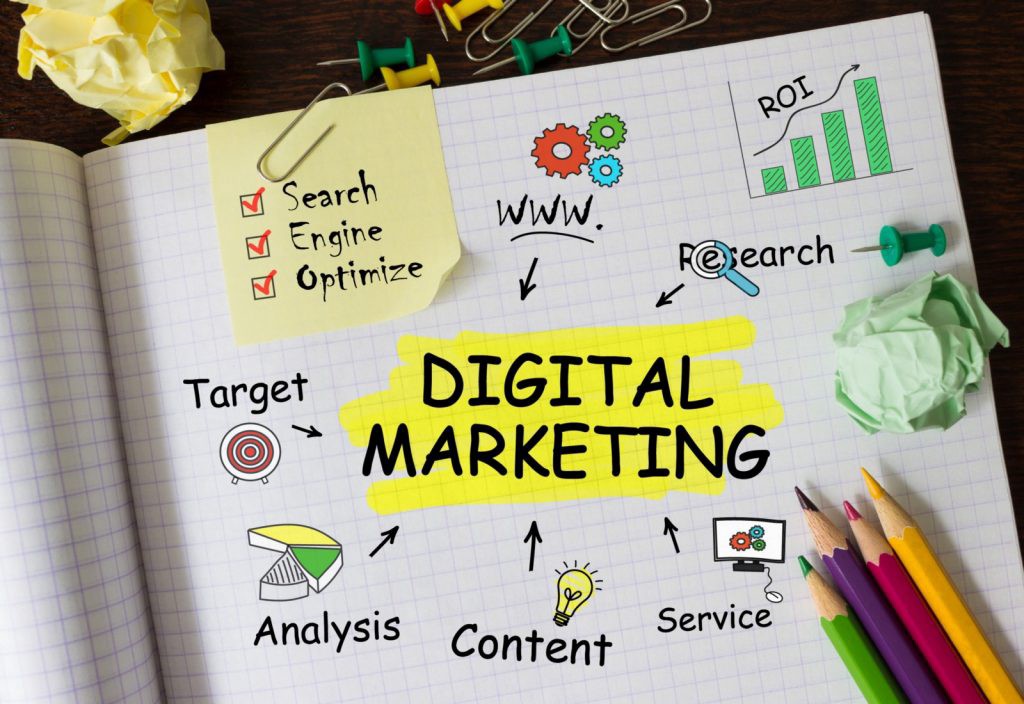
Digital Marketing
Digital marketing uses online platforms to connect with audiences:
-
Search engine optimization (SEO)
-
Content marketing
-
Email marketing
-
Pay-per-click (PPC) advertising
-
Social media marketing
Content Marketing
This approach focuses on delivering value through information and storytelling:
-
Blog articles and guides
-
Videos and podcasts
-
Case studies and whitepapers
High-quality content builds authority and nurtures trust over time.
Brand Marketing
Brand marketing shapes how people perceive a business:
-
Clear brand messaging
-
Consistent visual identity
-
Emotional connection with customers
Strong brands reduce price sensitivity and increase loyalty.
Relationship Marketing
Rather than focusing only on acquisition, this strategy emphasizes retention:
-
Customer engagement programs
-
Personalized communication
-
Long-term value creation
Key Elements of an Effective Marketing Strategy
A successful marketing plan is structured and measurable.
Essential components include:
-
Target audience definition based on data and insights
-
Unique value proposition that differentiates the offering
-
Channel selection aligned with audience behavior
-
Clear goals and KPIs to track performance
-
Continuous optimization using analytics and feedback
The Role of Data and Analytics in Marketing
Data-driven marketing allows businesses to make informed decisions instead of assumptions.
Benefits of using analytics include:
-
Understanding customer behavior and preferences
-
Measuring campaign effectiveness
-
Improving conversion rates
-
Reducing wasted marketing spend
Modern marketers rely on dashboards, attribution models, and testing frameworks to refine their strategies.
Challenges Facing Marketers Today
Despite advanced tools, marketers face several obstacles:
-
Rising competition and content saturation
-
Increasing customer acquisition costs
-
Rapidly changing algorithms and platforms
-
Growing concerns about privacy and data protection
Adapting quickly and staying customer-focused are critical to overcoming these challenges.
Future Trends in Marketing
Marketing continues to evolve as technology and consumer expectations change.
Emerging trends include:
-
Artificial intelligence for personalization and automation
-
Voice and visual search optimization
-
Community-driven marketing
-
Sustainability and purpose-led branding
Marketers who embrace innovation while maintaining authenticity will remain competitive.
Frequently Asked Questions (FAQs)
What is the primary goal of marketing?
The main goal of marketing is to create value for customers while driving business growth through awareness, engagement, and sales.
How is marketing different from advertising?
Advertising is a subset of marketing. Marketing includes research, strategy, branding, distribution, and customer experience, while advertising focuses on promotion.
Why is digital marketing important today?
Digital marketing allows businesses to reach targeted audiences, measure results in real time, and personalize communication at scale.
How do small businesses benefit from marketing?
Marketing helps small businesses build visibility, attract customers, and compete effectively by highlighting their unique value.
What skills are essential for modern marketers?
Key skills include data analysis, content creation, strategic thinking, communication, and adaptability to new technologies.
How long does it take to see marketing results?
Results vary by channel and strategy. Some tactics deliver quick wins, while others, like content marketing, build momentum over time.
Can marketing work without a large budget?
Yes. Clear positioning, creativity, and consistent execution can produce strong results even with limited resources.