Introduction to Manufacture
Manufacture refers to the process of converting raw materials or components into finished or semi-finished goods using labor, machinery, tools, and technology. It is a cornerstone of industrial development and plays a vital role in shaping economies, employment, and innovation across the globe.
From everyday household items to advanced industrial equipment, manufacturing enables large-scale production while ensuring consistency, quality, and efficiency.
What Is Manufacturing?
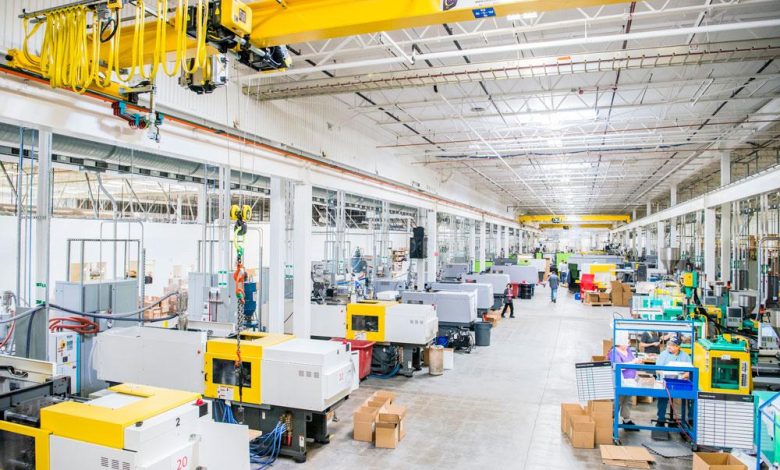
Manufacturing involves a systematic approach to production where inputs such as raw materials, energy, and labor are transformed into market-ready products. This transformation typically occurs in factories, plants, or workshops designed for specific production activities.
Key characteristics of manufacturing include:
-
Standardized processes
-
Repeatable production cycles
-
Quality control measures
-
Use of machinery and technology
The Manufacturing Process Explained
The manufacturing process follows a structured flow to ensure efficiency and product reliability. While it varies by industry, most manufacturing systems include the following stages:
1. Raw Material Sourcing
Materials are sourced from natural resources or suppliers and prepared for production.
2. Design and Planning
Product specifications, prototypes, and production plans are developed to guide the manufacturing workflow.
3. Production and Assembly
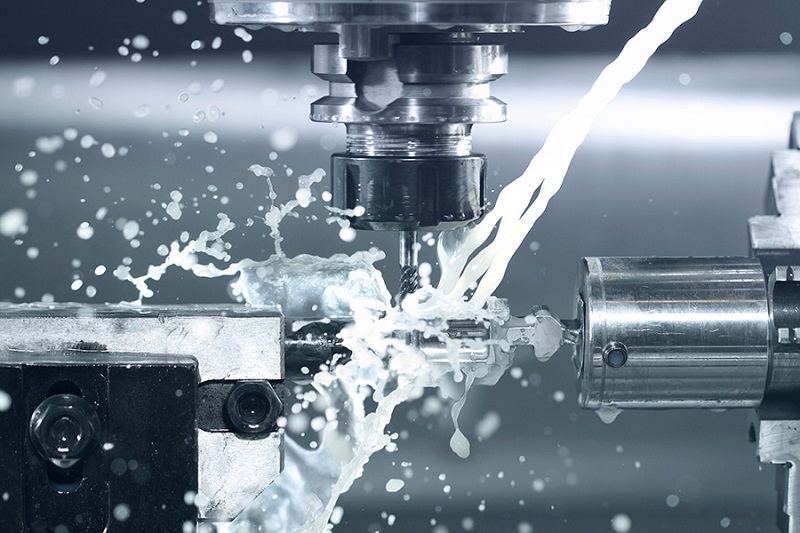
Machines and skilled workers transform materials into finished or semi-finished goods through cutting, molding, assembling, or chemical processing.
4. Quality Inspection
Products undergo testing and inspection to meet safety, performance, and regulatory standards.
5. Packaging and Distribution
Finished goods are packaged, labeled, and shipped to wholesalers, retailers, or end consumers.
Types of Manufacturing
Manufacturing can be classified based on production methods and scale. Common types include:
Discrete Manufacturing
-
Produces distinct items such as electronics, vehicles, and appliances
-
Uses assembly lines and individual components
Process Manufacturing
-
Involves formulas and recipes
-
Common in chemicals, food, beverages, and pharmaceuticals
Batch Manufacturing
-
Produces goods in specific quantities
-
Ideal for seasonal or customized products
Continuous Manufacturing
-
Operates nonstop for high-volume production
-
Used in oil refining, power generation, and paper production
Additive Manufacturing
-
Also known as 3D printing
-
Builds products layer by layer using digital designs
Importance of Manufacturing in the Economy
Manufacturing is a powerful driver of economic stability and growth. Its significance extends beyond production alone.
Major contributions include:
-
Job creation across skill levels
-
Innovation and technological advancement
-
Export growth and trade balance
-
Infrastructure and industrial development
-
Higher productivity and efficiency
Countries with strong manufacturing sectors often experience sustained economic resilience and global competitiveness.
Advantages of Modern Manufacturing
Advancements in technology have transformed traditional manufacturing into smart, data-driven systems.
Key advantages include:
-
Higher production speed
-
Improved product quality
-
Cost efficiency through automation
-
Scalability for global markets
-
Reduced material waste
Challenges Facing the Manufacturing Sector
Despite its benefits, manufacturing faces several ongoing challenges:
-
Rising operational costs
-
Supply chain disruptions
-
Skilled labor shortages
-
Environmental and sustainability concerns
-
Rapid technological changes
Addressing these challenges requires investment in innovation, workforce training, and sustainable practices.
The Future of Manufacturing
The future of manufacturing is shaped by digital transformation and sustainability. Emerging trends include:
-
Smart factories and Industry 4.0
-
Artificial intelligence and automation
-
Internet of Things (IoT) integration
-
Green and sustainable manufacturing
-
Mass customization
These trends are redefining how products are designed, produced, and delivered.
Frequently Asked Questions (FAQs)
1. What is the main goal of manufacturing?
The primary goal of manufacturing is to efficiently convert raw materials into high-quality products that meet market demand.
2. How is manufacturing different from production?
Manufacturing focuses on transforming materials into finished goods, while production is a broader term that includes all activities involved in creating goods or services.
3. What industries rely heavily on manufacturing?
Industries such as automotive, electronics, pharmaceuticals, construction, food processing, and textiles depend heavily on manufacturing.
4. What skills are required in modern manufacturing jobs?
Modern manufacturing requires technical skills, problem-solving abilities, digital literacy, and knowledge of automation and quality systems.
5. How does automation impact manufacturing?
Automation increases efficiency, reduces errors, lowers costs, and allows manufacturers to scale production while improving workplace safety.
6. Is manufacturing environmentally harmful?
Manufacturing can impact the environment, but sustainable practices and cleaner technologies are reducing emissions, waste, and energy consumption.
7. What role does technology play in manufacturing growth?
Technology drives innovation, improves productivity, enhances quality control, and enables manufacturers to remain competitive in global markets.