
Event: Meaning, Types, Planning, and Importance in Today’s World

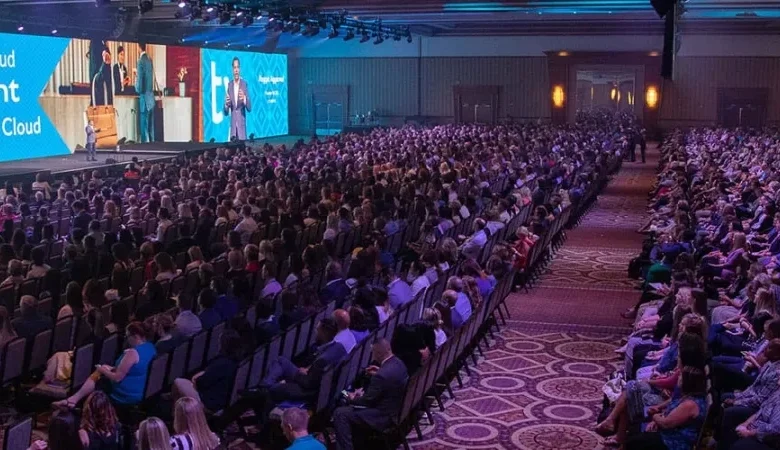
Table of Contents
ToggleWhat Is an Event?
An event is a planned occasion designed to bring people together for a specific purpose. It may focus on celebration, learning, promotion, entertainment, or social interaction. Events can be small and private or large and public, but they always share one core goal: creating a meaningful experience for attendees.
In today’s fast-moving world, events serve as powerful tools for communication, branding, networking, and cultural expression.
Types of Events
Events can be categorized based on their purpose, audience, and scale. Below are the most common types:
Corporate Events
These are professionally organized gatherings aimed at achieving business objectives.
-
Conferences and seminars
-
Product launches
-
Annual general meetings
-
Team-building activities
Social Events
Organized for personal or community celebrations.
-
Weddings and engagements
-
Birthday parties
-
Anniversaries
-
Reunions
Cultural and Entertainment Events
Focused on art, music, and cultural expression.
-
Music festivals
-
Theatre performances
-
Art exhibitions
-
Cultural fairs
Educational Events
Designed to share knowledge and skills.
-
Workshops
-
Training sessions
-
Webinars
-
Academic symposiums
Sporting Events
Centered on physical competition and recreation.
-
Tournaments
-
Marathons
-
League matches
-
Sports festivals
Key Elements of a Successful Event
A well-executed event relies on careful coordination of multiple components. The most important elements include:
-
Clear objective defining the event’s purpose
-
Target audience identification
-
Venue selection aligned with the event size and theme
-
Budget planning to control costs and maximize value
-
Program schedule that keeps attendees engaged
-
Promotion and communication before the event
-
On-site management for smooth execution
Each element contributes directly to the overall experience and success.
Event Planning Process Explained
Concept and Goal Setting
The first step is deciding why the event is being held and what outcome is expected.
Budgeting and Scheduling
Creating a realistic budget and timeline helps prevent last-minute issues and overspending.
Venue and Vendor Management
Selecting the right location and coordinating with suppliers such as caterers, decorators, and technical teams is essential.
Marketing and Promotion
Promotion ensures the right audience attends. This may include digital marketing, invitations, or partnerships.
Execution and Coordination
On the event day, coordination, communication, and problem-solving ensure everything runs as planned.
Post-Event Evaluation
Feedback collection and performance analysis help measure success and improve future events.
Why Events Matter
Events play a significant role across industries and societies.
-
Strengthen relationships through face-to-face interaction
-
Build brand awareness and credibility
-
Encourage learning and innovation
-
Boost local economies through tourism and services
-
Create lasting memories and emotional connections
Whether personal or professional, events leave an impact that extends beyond the day itself.
The Future of Events
The events industry continues to evolve with technology and changing audience expectations. Hybrid and virtual formats, interactive experiences, and sustainability-focused planning are shaping the future. Despite digital growth, the human need for shared experiences keeps events relevant and valuable.
FAQs
What is the main purpose of an event?
The main purpose of an event is to bring people together to achieve a specific goal such as celebration, education, promotion, or networking.
How far in advance should an event be planned?
Planning timelines vary, but most successful events are organized several weeks to several months in advance, depending on size and complexity.
What makes an event successful?
Clear goals, good planning, effective communication, and a positive attendee experience are key factors in event success.
Are virtual events as effective as physical events?
Virtual events are effective for reach and accessibility, while physical events excel at personal interaction. Hybrid events combine both strengths.
What skills are needed for event planning?
Strong organization, communication, budgeting, time management, and problem-solving skills are essential.
How can event success be measured?
Success can be measured through attendance, engagement, feedback, return on investment, and goal achievement.
Why are events important for businesses?
Events help businesses connect with customers, promote products, strengthen brand identity, and build long-term relationships.