
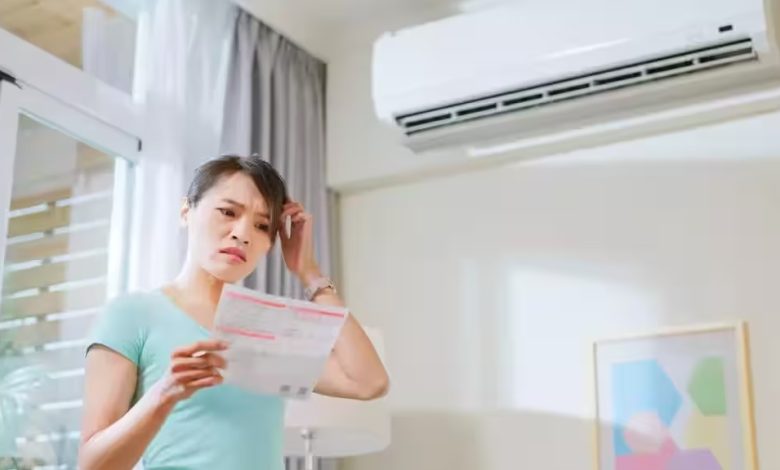
Is your air conditioner running longer than usual while your energy bills keep climbing? An aging AC can lose efficiency long before it stops working completely. Recognizing the warning signs early can help you avoid unnecessary repair costs, uncomfortable indoor temperatures, and higher monthly expenses. This guide explains when an older cooling system may be costing more to operate than it should and what homeowners should consider before replacing it.
Why an Old AC Can Increase Energy Bills
Air conditioners naturally become less efficient as they age. Years of operation can cause components to wear down, coils to become less effective, and the system to work harder to reach the thermostat setting. Older equipment may also lack the efficiency features found in newer systems.
If your energy bills are rising without a major change in your cooling habits, your AC deserves a closer look. Professional air conditioning services in Hibbing can help determine whether the issue is a repairable problem or a sign that replacement makes more financial sense.
Signs Your AC May Be Ready for Replacement
Your Energy Bills Keep Increasing
A gradual or sudden increase in cooling costs can indicate that your AC is losing efficiency. While weather and household usage affect energy consumption, an aging system that runs frequently without delivering consistent comfort may be using more electricity than necessary.
The System Is More Than 10–15 Years Old
Age is an important factor when evaluating an air conditioner. A system that has reached the 10- to 15-year range may still operate, but frequent repairs, declining performance, and higher operating costs can make replacement worth considering.
Repairs Are Becoming More Frequent
One repair does not automatically mean you need a new AC. However, repeated service calls can become expensive and frustrating. If breakdowns are becoming more common, compare the expected repair costs with the long-term benefits of installing a newer, more efficient system.
Your Home Is Not Cooling Evenly
Warm rooms, weak airflow, or an AC that struggles to maintain the thermostat setting can signal declining performance. These symptoms can sometimes be repaired, but persistent comfort problems may indicate that the system is reaching the end of its useful life.
Repair or Replace? Know What to Consider
Not every older AC needs immediate replacement. A professional inspection can identify problems such as airflow restrictions, refrigerant issues, electrical problems, or other repairable concerns. Regular maintenance can also improve efficiency and help extend system life.
Before making a decision, consider:
- The age and overall condition of the system
- How often it requires repairs
- Whether energy costs are steadily increasing
- How consistently it cools your home
- The expected cost of continued repairs
If replacement is appropriate, professional air conditioning services in Hibbing can help you select equipment based on your home’s size, comfort requirements, efficiency goals, and budget.
How a New AC Can Improve Efficiency
Modern air conditioning systems can offer improved efficiency, reliable cooling, and better temperature control. The right system size is also important. An oversized or undersized unit can affect comfort and efficiency, so professional sizing should be part of the replacement process.
Homeowners may also consider central air conditioning, ductless systems, or zoned cooling depending on the home’s layout and existing equipment. Ductless and zoned options can provide targeted cooling for areas that do not require the same temperature as the rest of the home.
Simple Ways to Protect Your Cooling Investment
Even a newer system needs proper care. Schedule professional maintenance at least once a year, preferably before the heavy cooling season. Regular tune-ups can help identify developing issues, keep components operating efficiently, and reduce unnecessary wear.
You can also reduce cooling demand by using a programmable or smart thermostat, keeping curtains closed during intense sunlight, sealing drafts around windows and doors, and using ceiling fans to improve air circulation.
FAQs
How old is too old for an air conditioner?
An AC that is more than 10–15 years old deserves careful evaluation, particularly if it has frequent repairs, declining performance, or rising operating costs.
Can an old AC cause higher electricity bills?
Yes. Aging components, reduced efficiency, and frequent or extended operation can contribute to higher cooling costs. A professional inspection can help identify the cause.
Should I repair an old AC or replace it?
Consider the system’s age, repair history, current performance, and expected repair costs. A professional assessment can help you compare continued repairs with replacement.
Does annual AC maintenance really matter?
Yes. Routine maintenance can help identify small issues, improve efficiency, and support more reliable operation throughout the cooling season.
Conclusion
An old air conditioner does not have to completely fail before you consider replacing it. Rising energy bills, frequent repairs, inconsistent cooling, weak airflow, and an aging system can all indicate that your AC is becoming less efficient. Paying attention to these signs gives you time to evaluate your options instead of waiting for an inconvenient breakdown.
Start by having the system professionally inspected and compare the cost of continued repairs with the potential benefits of a newer, efficient unit. If replacement is the better choice, professional air conditioning services in Hibbing can help you select and install a system suited to your home’s comfort needs and efficiency goals. With proper sizing, professional installation, and regular maintenance, a new AC can provide dependable cooling while helping you manage long-term energy costs.