Times have changed! Traditional marketing methods have taken a step back, and digital marketing is taking the lead.
Digital marketing can bring a lot of opportunities and growth for the business. It is significant because it allows businesses to reach the target audience more easily and cost-effectively than traditional marketing methods. Even if you run a small business, digital marketing can help you compete with your audience with a much smaller advertising budget.
The primary goal of digital marketing is to do your business online so millions of customers can see it. Additionally, digital marketing techniques can target specific customers with highly personalized messages, which can result in higher conversion rates.
There are a number of reasons why digital marketing is so important for businesses today. Read on to find out more.
Reach Your Target Audience
Digital marketing also provides a more targeted way to reach your audience. You can target your ideal audience more specifically on digital platforms, which leads to increased conversions.
You can use various tools and strategies to target specific demographics, interests, and even locations. This allows you to connect with your audience more personally and effectively.
Digital marketing also allows you to build relationships with your customers through personalized content and customized offers. This leads to higher customer satisfaction and brand loyalty.
Better ROI
Additionally, digital marketing is more cost-effective than traditional marketing techniques because you can track your ROI and adjust your campaigns accordingly. Knowing the ROI of several campaigns can help you grow your business.
If you do not measure the ROI of your campaigns, you will never know whether you are spending your budget wisely or simply wasting your money.
Track Your Results
Digital marketing allows you to track and analyze data more effectively. This helps you see what is working and what is not so you can change your marketing strategies accordingly.
With digital marketing, you can easily track your marketing campaigns and get insights into what works and what does not. This helps you to adjust your campaign strategies in real-time and make the most of your marketing budget.
Moreover, you can even change your strategies and work on the better ones to promote your brand. For example, Instagram offers audience insights so you can check the reach, engagement, and impressions of your posts.
Cost-Effective
Digital marketing is more affordable than traditional marketing! Yes, even if you own a small business with limited resources, you can still use digital marketing strategies to attract people to your services.
It doesn’t require a large advertising budget, and it’s easy to reach your target audience through digital channels. However, you need a good internet connection to stay connected to your audience and use digital marketing strategies more effectively.
We recommend using Spectrum internet as it provides reasonably priced internet packages with blazing fast speed. Dial Telefono de Spectrum for more details.
Builds Your Brands Reputation
Digital marketing can help build your brand’s reputation by creating customer loyalty and increasing leads. You can show your customers your brand’s journey and how your product can solve their problems.
Try to engage with your audience via live sessions. Also, make sure you give timely responses to their queries. This makes the customers feel valued, and your brand looks credible. As a result, you can earn customer trust and loyalty, creating a positive brand reputation.
Higher Revenues
With digital marketing tactics, you can reach the market without investing a hefty amount in marketing and generate profits.
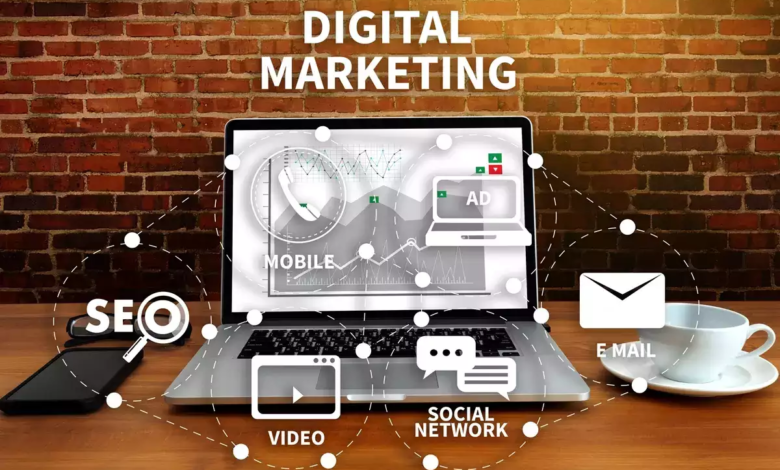
Digital marketing helps the business become more visible with the help of SEO (search engine optimization) and SMM (social media marketing) strategies. It helps the business in understanding how to achieve its goals by promoting the brand on the digital channels and appearing at the top of the search results.
Consecutively, your business grabs the attention of the relevant audience and your sales increases.
Final Thoughts
Digital marketing is the future of marketing. Brands need to use digital marketing tactics so they can stay ahead of the competition. Without a doubt, businesses of today need digital marketing for their success.
So, do some research and find excellent digital marketing strategies that work for your business. You will not regret it!
Ensure you have a stable internet connection so you can leverage the benefits of digital marketing. You need the high-speed internet connection that Spectrum offers! Spectrum Servicio al cliente facilitates its customers to help them get rid of service-related issues. Visit the website for more details about the packages.
Infographic created by News Exposure, Reputable & Comprehensive Media Analysis Services